of Four Gymnosperm Tree Species in a Snowpack-Dependent Ecosystem
Understanding plant hydraulic traits is essential:
hydraulic traits are thought to be the leading predictors of plant mortality due to drought (Anderegg et al., 2016)
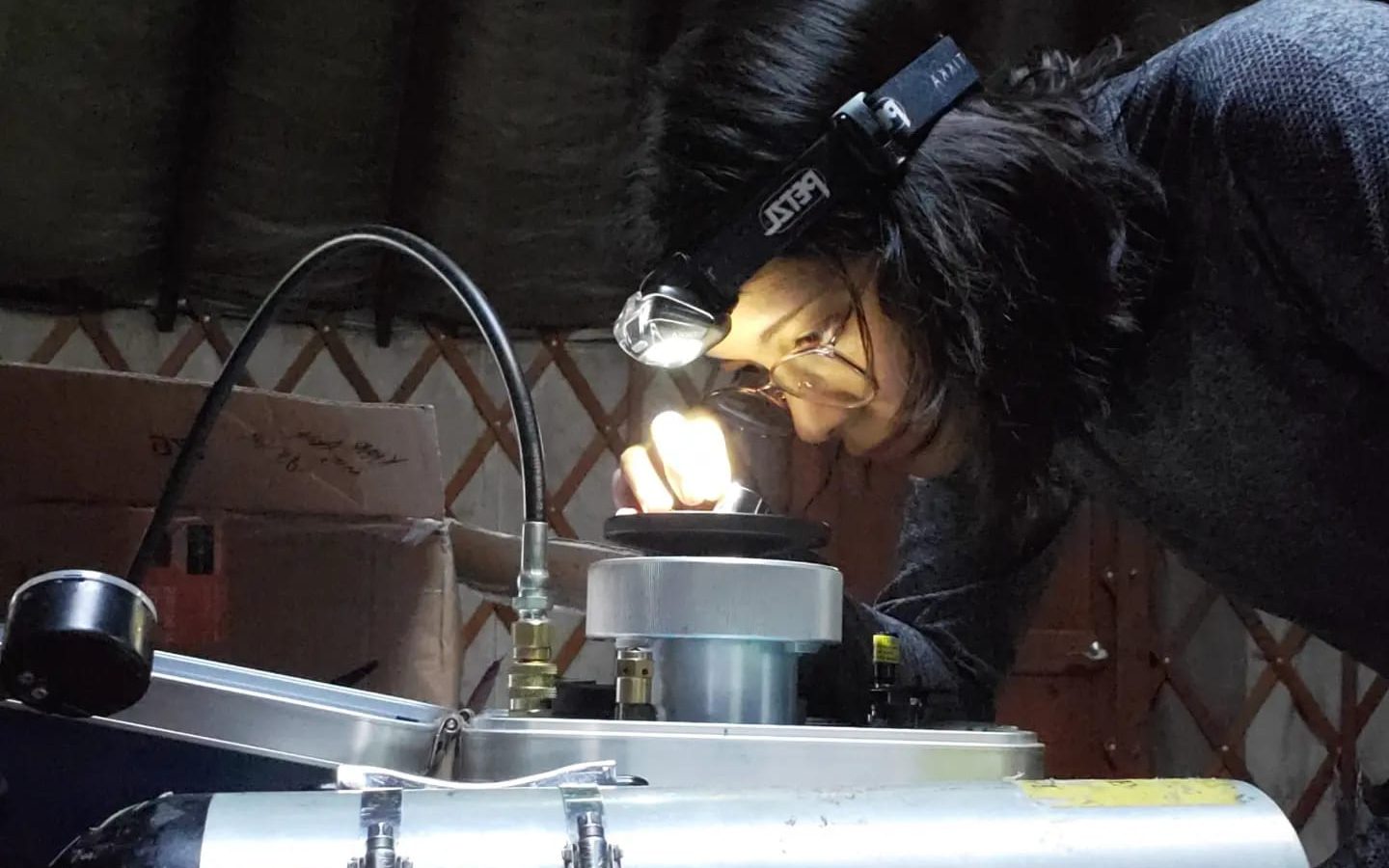
Vanessa working on a Scholander Pressure Chamber to measure water stress of plants before sunrise
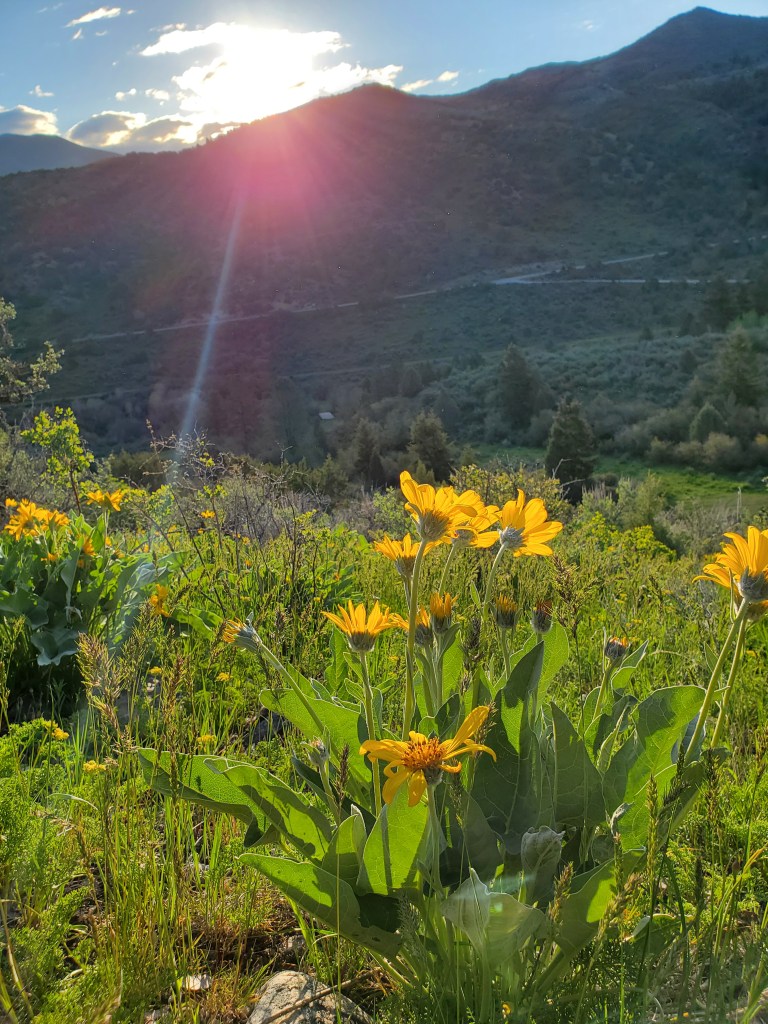
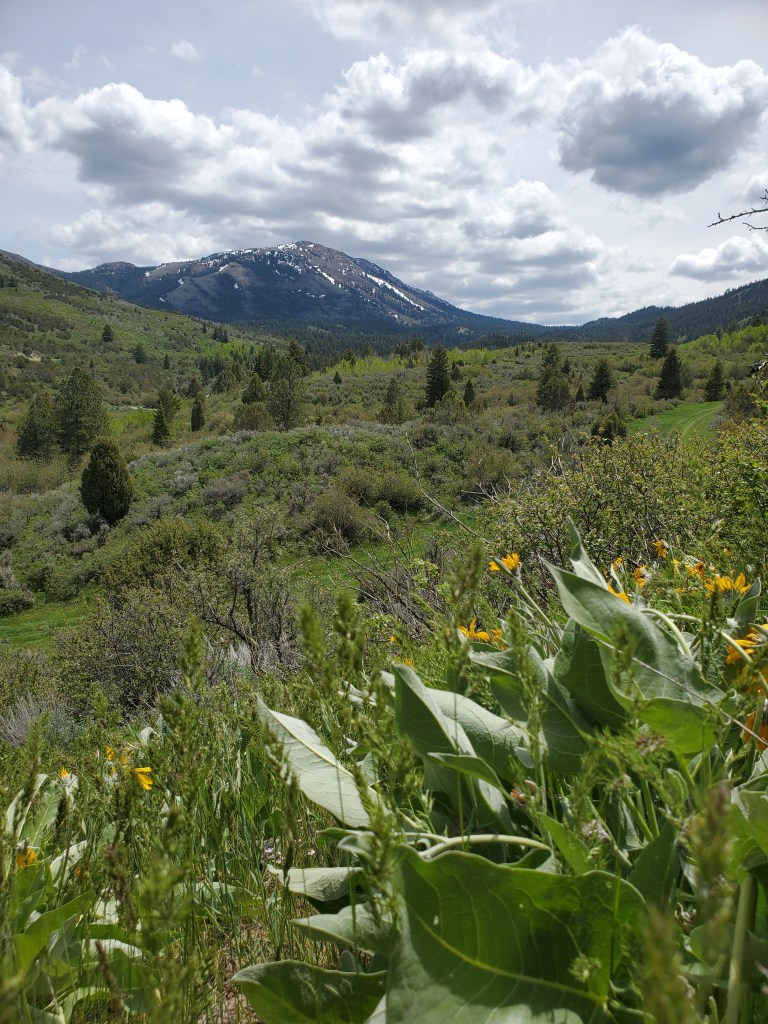
Location: East Fork Mink Creek Nordic Center, part of the Caribou-Targhee National Forest near Pocatello, Idaho USA
(42.714025°N, -112.377262°W & 42.721781°N, -112.379429°N)
Project Duration
May 2022 – Sept. 2022
Abstract:
The availability of water to plants is a critical factor that varies considerably with geographic and topographic regions. In some regions of the western US, trees rely heavily on spring snowmelt that saturates the soil, and soil water content gradually decreases throughout the trees’ growing season. Two strategies that plants can use to tolerate water stress are 1) limiting water loss through stomatal closure and 2) altering their cellular water relations (via turgor loss point or osmotic potential changes). The extent to which a plant limits water loss can be characterized along a spectrum ranging from extreme isohydry to extreme anisohydry. Isohydric plants conserve minimum water potential under times of reduced moisture by closing their stomata, while anisohydric plants prioritize the ability to fix carbon and risk their hydraulic safety.
This study investigated the variation in isohydry and cellular water parameters of four gymnosperm species in a snowpack-dependent ecosystem throughout the growing season. We hypothesized that anisohydric species would adjust their leaf water parameters more than isohydric species during limited soil moisture to maintain photosynthesis and leaf turgor.
Understanding these tree species’ strategies through stressful environmental conditions will allow us to understand how they will behave as these stressful conditions worsen with climate change. These findings have implications for plant distribution models and the management of forestry resources in arid regions.




 Vanessa Gremler | Tree Physiological Ecologist